Saint Andrew Cathedral, Lviv
About us
- Lviv, square Soborna, 1
Saint Andrew Cathedral in Lviv
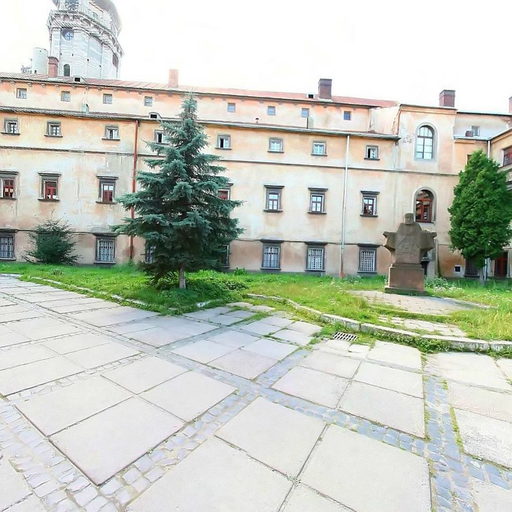
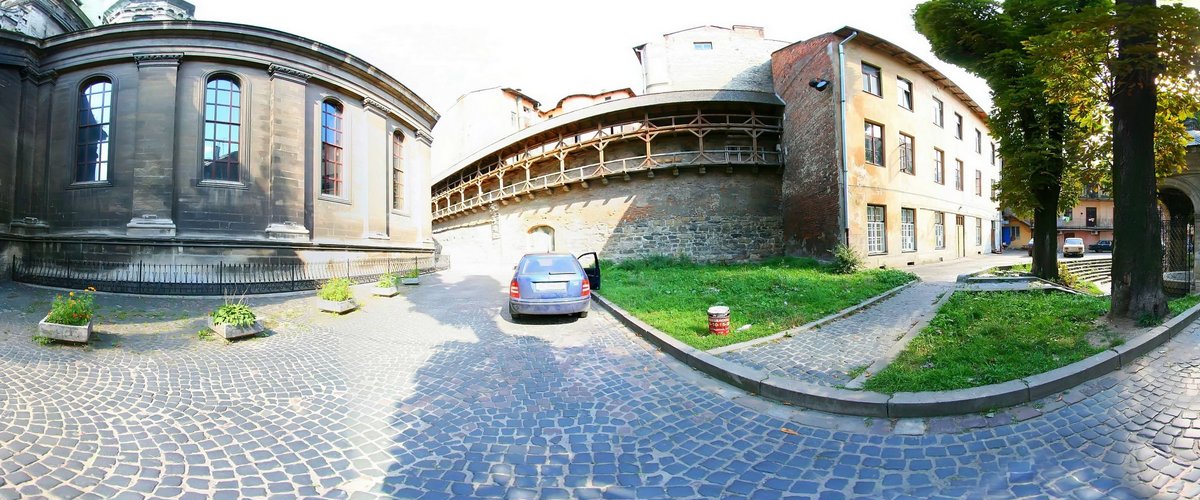
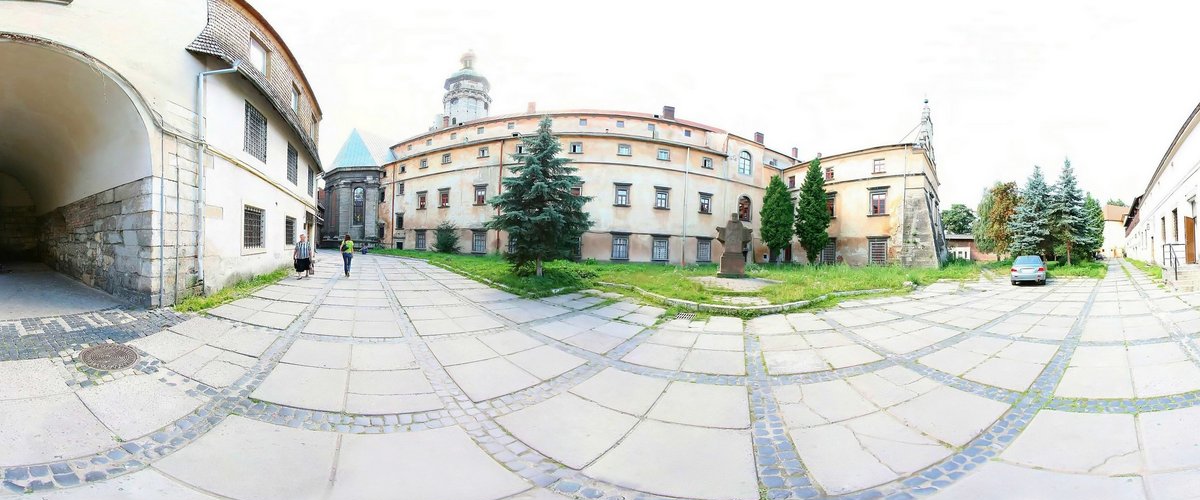
The Bernardines came to Lviv as early as the 15th century. Having chosen a place near the Halych Gate, they set about building a monastery. But the city authorities did not want to give permission for the construction, since the monastery stood close to the city walls and could become a stronghold for enemy attacks. But former soldiers traditionally joined the Bernardines, and they knew how to fight on the walls better than the townspeople. And on condition that the monastery’s defensive walls would become part of the city’s system of fortifications, permission was obtained.
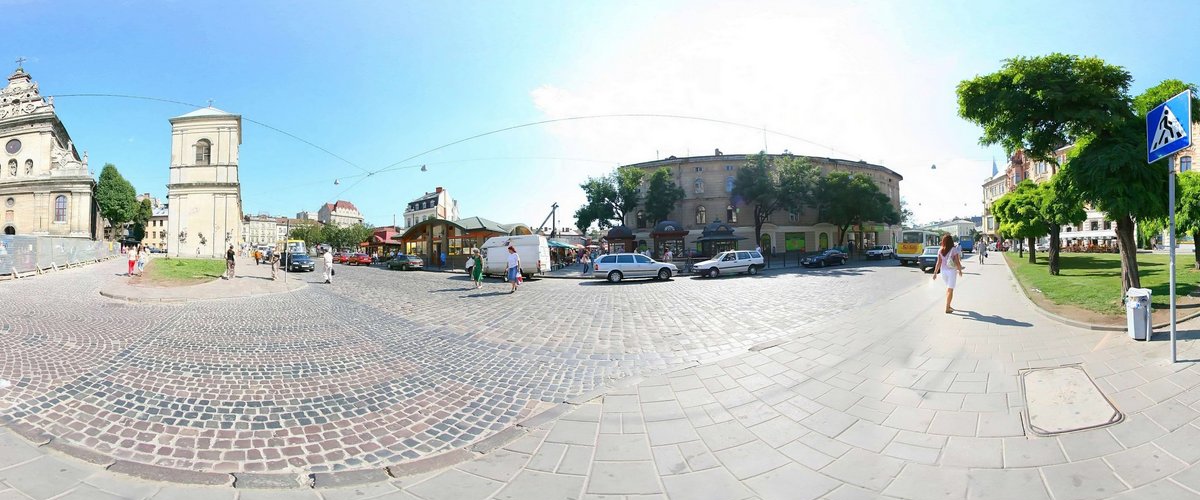
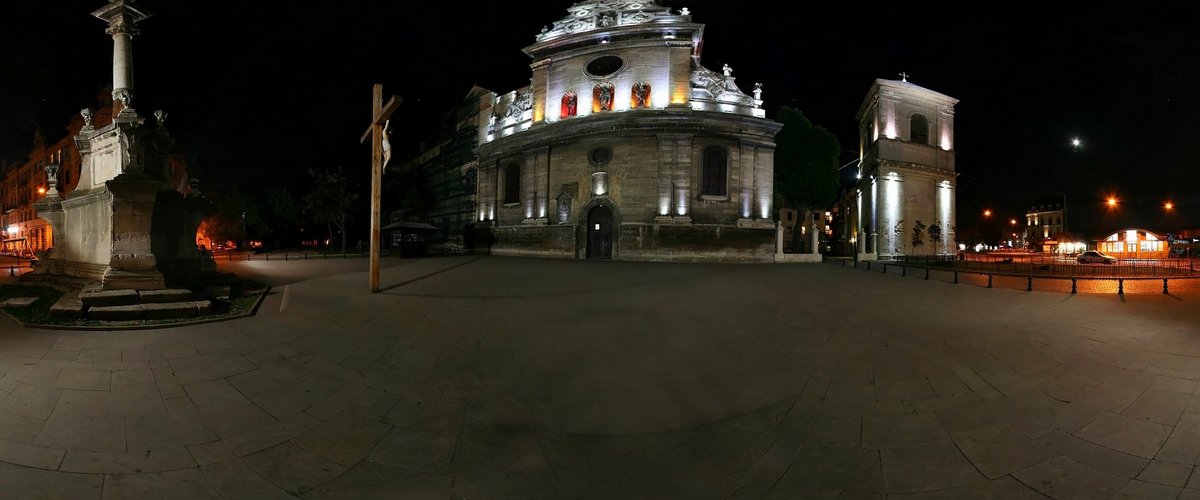
At the beginning of the 17th century the church of St. Andrew was built, the first stone one on this site (the earlier ones were wooden). The architects were P. Rymlianyn and A. Bemer, representatives of different building styles. One built in the Renaissance style, the other in the Baroque. But these styles are so organically interwoven on the facade of the church that they made St. Andrew’s a masterpiece of Lviv architecture. The facade of St. Andrew’s is adorned with sculptures depicting Jesus Christ, the Mother of God, St. Andrew and St. Peter.
In the 18th century the old interior was replaced with a lavish Baroque one. Sixteen altars are decorated with sculptures and shine with gilding. Fine murals by the artist Mazurkevych adorn the high ceilings. In the 15th century the Blessed John of Dukla lived in the monastery; he served here as steward for many years, and here he died and was buried.
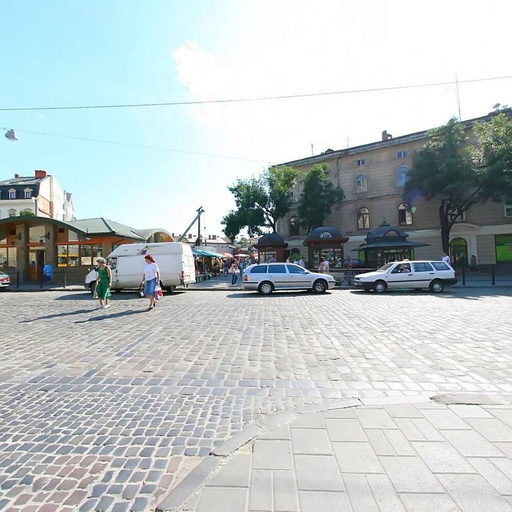
In the 17th century the troops of Bohdan Khmelnytskyi besieged Lviv, but Khmelnytskyi did not take the city; he took only a contribution and withdrew. What caused such behaviour by the hetman? According to legend, John of Dukla appeared to Khmelnytskyi in the clouds and asked him not to destroy the city. Khmelnytskyi listened to the Blessed and did not destroy the city. In memory of this event a column was set up in front of St. Andrew’s, first of wood and later, with the money of Seweryn Rzewuski, of stone. This column still adorns the square in front of the church.
3D-Tour